From Structure to Emergence: How I Learned to Let Go in the Early Years
When I first transitioned from ESL teaching into a bilingual Early Years environment, I panicked.
At EF, I was used to structured curriculum maps, targets, lesson frameworks, and materials that could be adapted or built upon. There was always a foundation to work from. But in my new school, everything felt… open.
No pre-made units were waiting for me. No neatly packaged lesson plans. Planning began with possibilities: mind maps, observations, conversations, and the potential directions learning might take. At first, that freedom felt overwhelming.
How do you plan without knowing exactly where the learning will end?
How do you ensure meaningful progress when the curriculum is emergent?
And perhaps the biggest challenge of all: how do you make inquiry-based learning accessible for young ESL learners who may not yet have the language to fully express their thinking?
Slowly, though, my mindset began to shift.
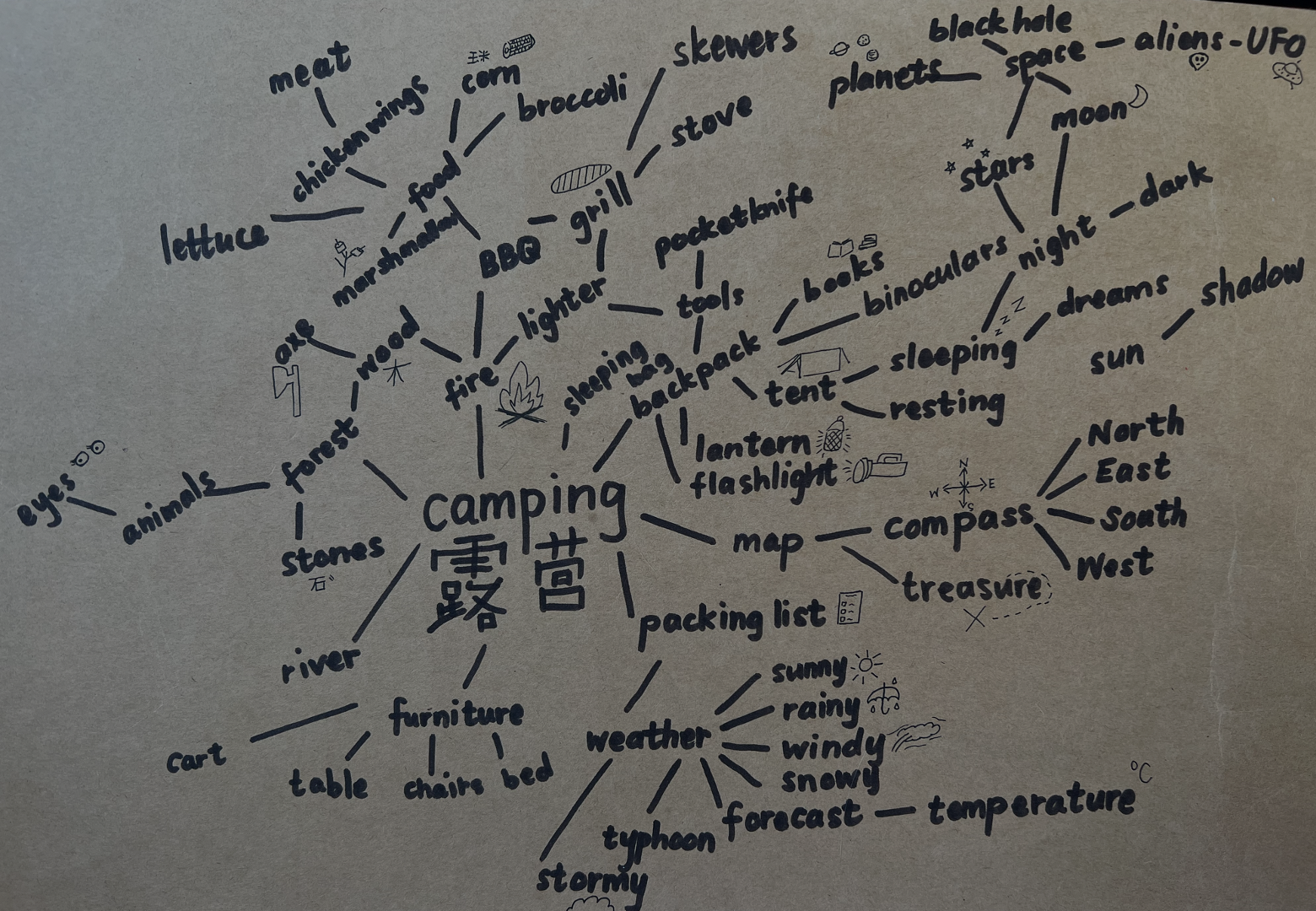
Mind-mapping for the “Let’s Go Camping!” project
Instead of planning rigid lessons, we planned responsive experiences. Documentation became essential—noticing the small moments, children’s interests, repeated behaviors, questions, and interactions. Those observations helped us build provocations, ask better questions, and extend learning naturally throughout the day.
What surprised me most was how adaptable the children were.
Learning unfolded organically through play, conversation, collaboration, and exploration. One day the focus might become language development; the next, interpersonal skills, problem-solving, creativity, or independence. The learning was fluid, interconnected, and deeply meaningful because it emerged from the children themselves.
Over time, I stopped fearing the openness of emergent curriculum and started enjoying it.
I learned to trust the process, trust the children, and trust myself as an educator. Some of the most meaningful teaching moments happened when lessons went completely off-plan and evolved into something unexpected.
Looking back, that transition challenged me professionally more than almost anything else in my career—but it also helped me grow the most. It made me more open-minded, more reflective, and more responsive as a teacher.
Most importantly, it reminded me that learning doesn’t always need to follow a perfectly structured path to be valuable. Sometimes the best learning happens in the moments you never planned for at all.